How to Find Reliable Storage Rentals Near Your Location
Finding the proper storage unit sounds simple until someone starts comparing prices, sizes, access hours, security features, and contract terms. Many people realise how many options exist only once they begin searching—self-storage, climate-controlled units, short-term rentals, long-term contracts, and even specialised spaces for business inventory. The best approach is to treat the search like a checklist: define what needs to be stored, confirm the ideal location, and verify the facility’s reliability before signing anything.
Start With The Real Reason Storage Is Needed.
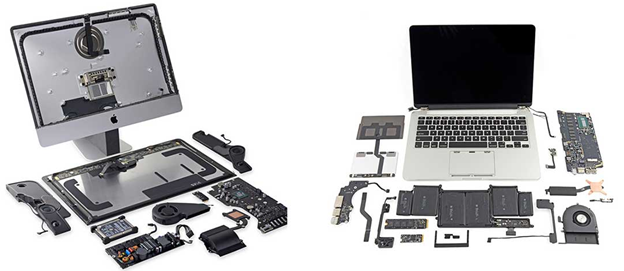
A reliable storage rental begins with clarity. Most renters fall into a few everyday situations: moving, renovating, downsizing, travelling, or needing overflow space for business stock. The items being stored determine the unit type. For example, electronics, documents, artwork, and furniture typically benefit from climate-controlled options, while tools or boxed household goods may be fine in standard units depending on local conditions.
When someone thinks, Please help me find storage rental near my home , the first step is listing what will be stored and estimating how much space it actually requires. This prevents paying for a unit that’s too large or choosing one that becomes cramped and unsafe to stack.
Choose A Location That Supports Convenience And Safety.
Proximity matters more than many renters expect. A unit may look cheaper farther away, but travel time and fuel costs can add up—especially if frequent access is needed. The best facilities are usually:
- Close to home or work for easy visits
- Located in a well-lit, accessible area
- Easy to reach by car or moving truck
- Near main roads rather than hidden side streets
A good rule is to prioritise the closest, reliable facility first, then compare prices only after the basics—security and access—are confirmed.
Verify Security Features That Actually Protect Belongings.
Storage security is more than a gate and a lock. A dependable facility typically offers layered protection, such as:
- CCTV monitoring (visible cameras, not just signs)
- Well-lit hallways and parking areas
- Keycard or code-based entry systems
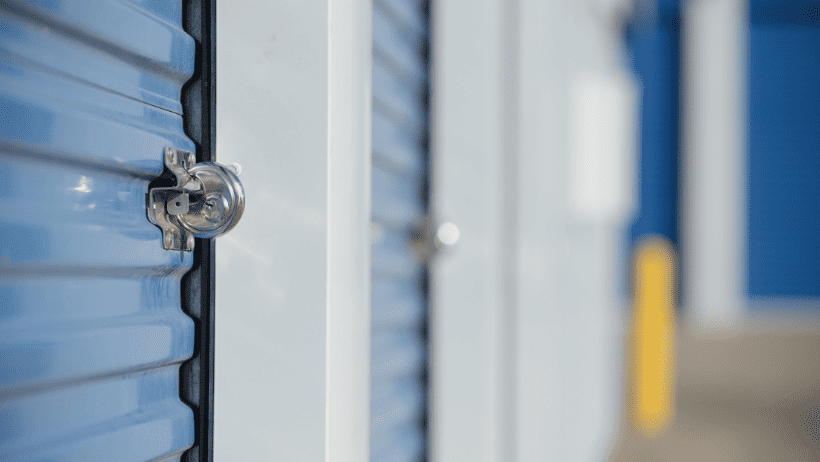
- Strong unit doors and quality padlock compatibility
- Staff presence or controlled office hours
Renters should also ask whether the facility maintains an entry log and how often security patrols occur. The answers reveal whether the storage provider is proactive or simply “checking boxes.”
Confirm Access Hours And Practical Usability.
Some renters need quick access to documents or seasonal items, while others want to store belongings and return months later. Either way, access rules should match the renter’s routine. It helps to confirm:
- Daily access hours (and holiday restrictions)
- Elevator availability for upper floors
- Loading bays, carts, and parking convenience
- Whether large vehicles can enter easily
- Rules about storing certain items (batteries, fuel, perishables)
At this stage, many people repeat the same request—”Please help me find storage rental near my home”—because “near” isn’t enough; it must also be usable without hassle.
Understand Pricing, Hidden Fees, And Contract Flexibility.
Storage rentals can include fees that aren’t obvious at first glance. A reliable provider will explain pricing clearly, including:
- Deposit requirements
- Administrative or membership fees
- Insurance costs (required or optional)
- Late payment policies
- Rate changes after promotional periods
It’s also essential to check whether the contract is month-to-month or fixed-term. Month-to-month agreements provide flexibility if plans change, while long-term contracts may offer better pricing for stable needs.
Read Reviews With A “Pattern” Mindset.
Online reviews help, but one angry comment doesn’t define a business. The more innovative approach is to look for repeated themes across many reviews, such as:
- Cleanliness and pest control
- Staff responsiveness
- Billing transparency
- Security reliability
- Maintenance issues (broken gates, poor lighting, water leaks)
When many reviewers mention the same issue, it’s worth taking seriously—even if the facility looks good in photos.
Final Takeaway
A reliable storage rental is the result of choosing the right size, location, and facility standards—not just chasing the lowest price. By focusing on security, access, transparency, and consistent customer feedback, renters can protect their belongings and avoid unpleasant surprises. For those who want a streamlined way to explore options, i-StoreGo provides a starting point to compare storage solutions based on location and needs.