How Do Plastic Sub-D Hoods Fit into Your Electronic Components Purchase Plan?
When sourcing parts for your latest project or preparing a procurement list for an upcoming installation, it’s easy to focus primarily on the core electronic components—resistors, capacitors, connectors, or circuit boards. However, smaller accessories, like plastic sub d hoods, often go overlooked in the early stages of planning. Yet, they play a vital role in protecting your connections, ensuring signal integrity, and enhancing the reliability of the final assembly.
In this blog, we’ll look at the purpose of plastic Sub-D hoods, the advantages they bring, and how they can be seamlessly incorporated into your electronic components shop list, especially when dealing with D-sub connector assemblies in industrial, commercial, and consumer applications.
What Are Plastic Sub-D Hoods?
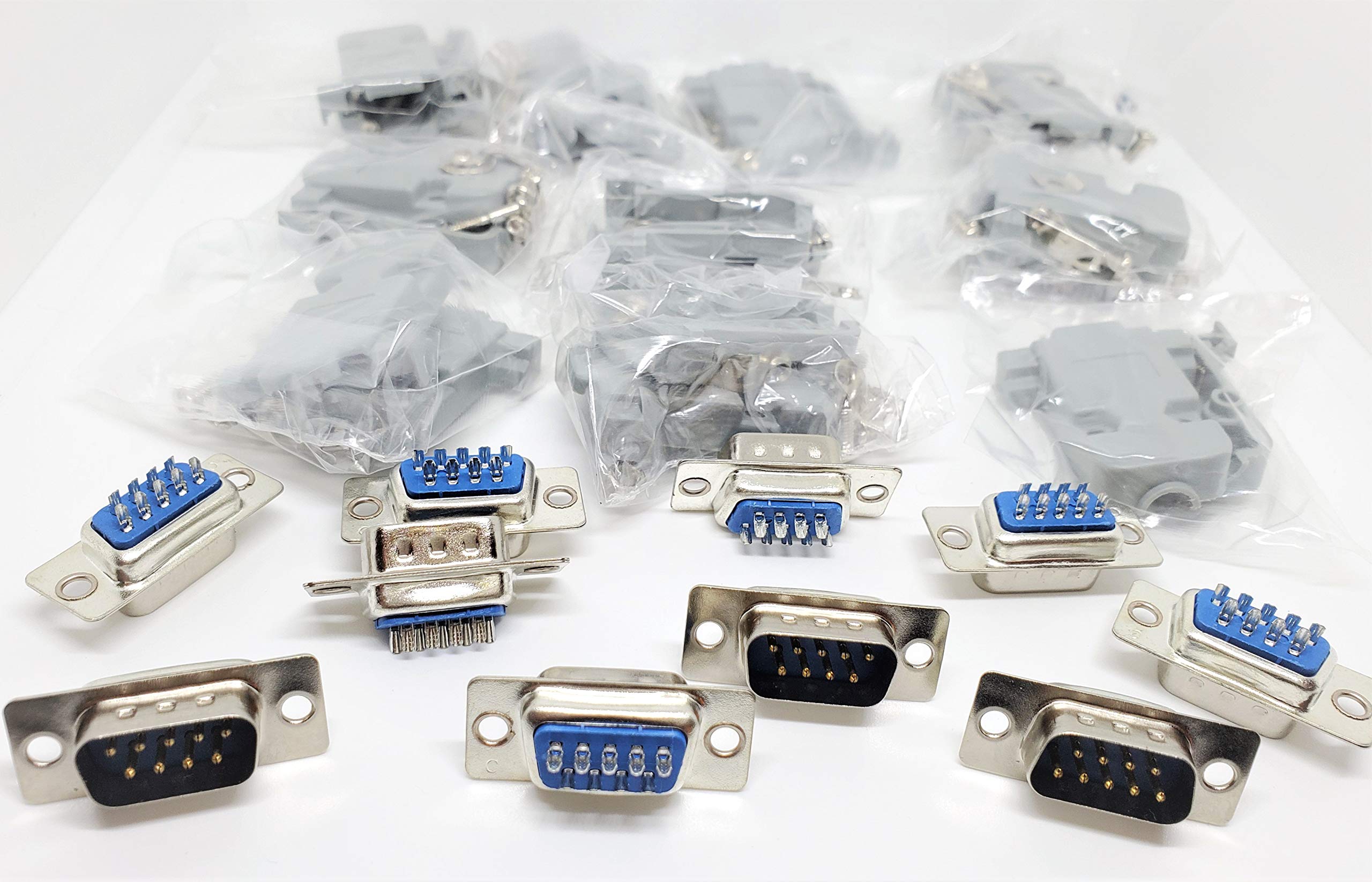
Plastic Sub-D hoods are external coverings designed to enclose and protect D-sub connectors, commonly used in serial communication ports, video displays, and industrial control systems. These hoods snap or screw over the connection interface and offer both mechanical protection and shielding (depending on their construction).
Their primary purposes include:
- Protecting the connector from dust, debris, and physical damage
- Supporting cable strain relief to prevent loosening or snapping
- Enhancing electromagnetic interference (EMI) resistance when paired with shielded cables
- Providing a more finished, professional appearance to installations
Though available in various materials (including metal), plastic versions are widely used for their balance of cost, durability, and ease of use.
Key Applications of Plastic Sub-D Hoods
Sub-D connectors themselves are highly versatile and are found across a range of industries. Accordingly, plastic hoods also serve a broad set of use cases, including:
- IT and networking systems – For enclosing RS-232, VGA, and similar ports
- Industrial automation – In control cabinets and machinery, where cable management is critical
- Consumer electronics – To ensure cleaner, safer cable finishes
- Prototyping and hobby electronics – Favoured for their affordability and ease of use.
- Broadcast and AV installations – For robust signal connectors that are protected and well-labelled
Whether you’re designing an industrial control system or building a custom workstation, plastic Sub-D hoods help streamline cable routing and maintain professional standards.
Advantages of Using Plastic Sub-D Hoods
Incorporating plastic sub-d hoods into your procurement plan may seem like a small detail, but it can make a significant difference to the long-term reliability and aesthetics of your projects. Here are some key benefits:
- Cost-effective protection – Plastic Sub-D hoods are affordable and offer sufficient protection in most non-extreme environments.
- Lightweight and easy to handle – Especially useful in portable systems or weight-sensitive applications.
- Corrosion-resistant – Unlike metal hoods, plastic variants won’t rust, making them ideal for humid or damp conditions.
- Customisable and colour-coded – Available in a variety of colours and formats to help differentiate connections and ease identification.
- Tool-free options – Snap-fit designs enable quick assembly, saving time in large-scale installations or fieldwork.
When ordered in advance through your electronic components shop, these hoods help prevent delays caused by missing or incompatible parts during final assembly.
Factors to Consider When Choosing Sub-D Hoods
Not all sub-d hoods are created equal. While plastic hoods are widely applicable, it’s important to select the correct type for your specific use case. Here are a few factors to keep in mind:
- Connector size compatibility – D-sub connectors come in various sizes—9-pin (DE-9), 15-pin, 25-pin, 37-pin, etc. Ensure the hood matches the connector type.
- Cable entry direction – Some hoods offer side, top, or rear cable entry—choose according to your enclosure layout.
- Assembly method – Decide between screw-on, snap-on, or clip-on styles, depending on the environment and how often you need to disconnect.
- Strain relief design – Check if the hood includes strain relief clamps or slots for cable ties to protect against pull and torsion forces.
- Environmental considerations – If the assembly will be exposed to moisture, heat, or chemicals, verify that the plastic material is appropriate.
These considerations should be part of your component selection checklist when purchasing items from an electronic components shop, especially for bulk or commercial orders.
Streamlining Your Procurement Strategy
When planning an electronics project or managing inventory, it’s good practice to group components based on function and installation stage. Plastic sub-d hoods should be grouped with connectors, housings, and mounting hardware. Here’s a useful checklist for buyers and engineers:
- Select the correct Sub-D connectors based on pin count and gender
- Choose matching plastic Sub-D hoods with compatible entry directions
- Include any needed screws, cable clamps, or labelling accessories
- Consider colour-coding hoods for system organisation
- Purchase from a trusted electronic components shop that offers detailed specifications and datasheets
By making these accessories part of your early-stage procurement plan, you ensure a smoother build phase and avoid last-minute part sourcing.
Common Mistakes to Avoid
Even seasoned engineers and technicians sometimes overlook the finer points of enclosure accessories. Here are a few common pitfalls when dealing with plastic Sub-D hoods:
- Assuming all hoods are universal – Mismatched sizes or entry styles can cause delays.
- Ignoring strain relief – Without it, cables can suffer damage over time.
- Underestimating environmental exposure – Plastic is versatile, but not all formulations are suited for industrial settings.
- Forgetting about access during maintenance – Choose a hood design that doesn’t impede disassembly if service is required.
A small oversight in connector planning can result in equipment downtime or unnecessary costs—two things that can be easily avoided by taking these factors into account.
Final Thoughts
Plastic sub-hoods may seem like minor components, but their role in maintaining secure, durable, and professional electronic assemblies is critical. Whether you’re working on a personal electronics project, handling commercial installations, or managing stock for a production line, these small plastic covers can make a big difference. Incorporating plastic sub-d hoods into your purchasing strategy not only reduces future complications but also ensures a more polished, reliable result. With many designs available from your go-to electronic components shop, now is the perfect time to review your procurement plan and fill in any missing accessories that could elevate the quality and reliability of your next electronic project.