
Exploring the Role of Community in Enhancing Fitness Motivation
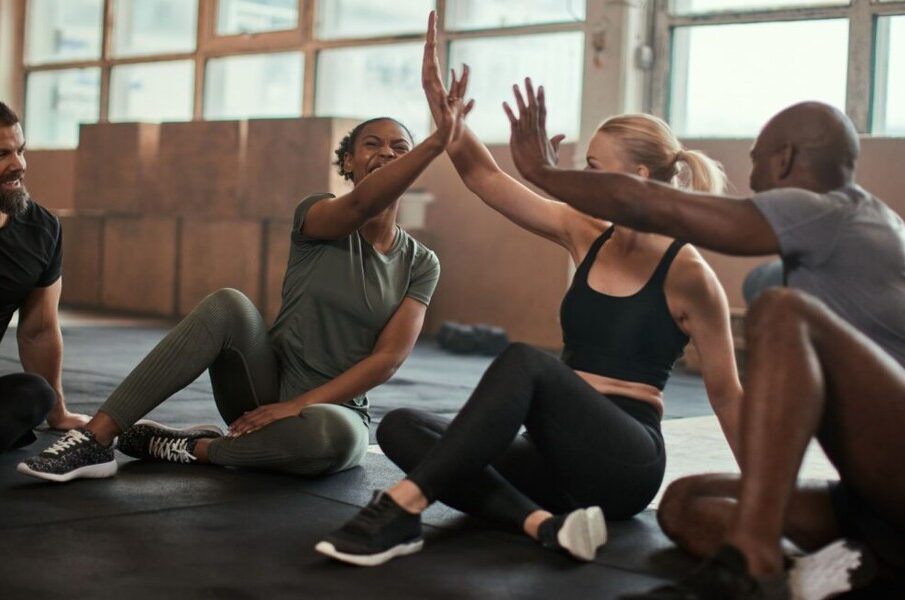
The gym is more than just a space filled with equipment; it is a catalyst for transformation, powered as much by human connection as by physical effort. For many, the difference between quitting and sticking with a fitness plan comes down to feeling like part of something bigger than themselves.
Community-Based Fitness Motivation: Social Support vs. Individual Drive
Social support is a powerful motivator. When people know that others notice their progress, offer encouragement, or simply expect to see them at a regular class, it becomes harder to skip a session. Psychologically, shared experiences not only boost morale but help normalize the struggles and setbacks that are inevitable along any fitness journey. This network of peers and staff delivers more than accountability; it makes the hardest days feel manageable.
Contrast this with individual motivation, where the lone athlete relies on personal drive, self-discipline, and intrinsic goals. While some thrive in solitude, most wrestle with the highs and lows alone. When the initial burst of enthusiasm wanes, isolation can make quitting feel easier, especially when obstacles appear.
Community involvement, therefore, acts as a buffer against waning enthusiasm. It can turn a daunting routine into an anticipated ritual.
Case Studies: Success Stories with Community Involvement
Real-world examples reinforce this dynamic. Members at welcoming gyms often highlight stories where the camaraderie of group classes, tips from fellow members, or simple gestures like a friendly “hello” kept them returning during tough times. For instance, testimonials for West-End Gym Montreal often praise the environment as motivating, inclusive, and essential for sustaining long-term habits.
Comparing Gym Environments: Community-Centric vs. Solo Workout Spaces
Not all fitness spaces are created equal. Gyms that focus on community offer features like group classes, social hangout areas, and staff who engage directly with members. These environments foster belonging. In contrast, strictly solo gyms may excel in equipment variety but often lack the interpersonal touch that makes members feel seen.
Features That Foster a Sense of Belonging
– Group workout spaces and classes
– Lounge areas and social zones
– Staff-led events or challenges
– Welcoming décor and layout that invites interaction
Impact of Facility Amenities on Social Interaction
Amenities matter. Spacious locker rooms, communal lounges, in-house bistros, and even outdoor terraces encourage spontaneous conversations and relationships. Feedback from members consistently mentions how these areas become gathering points, not just pass-through spaces.
Member Testimonials Highlighting Community Effects
Stories stand out: newcomers who overcame gym anxiety because other members offered guidance, or long-time attendees who formed lasting friendships at courts and swim lanes.
Group Activities and Their Role in Sustaining Motivation
Fitness classes, team sports, and group challenges do more than provide structured workouts. They create micro-communities within the gym, complete with shared rituals and goals.
Classes, Team Sports, and Group Challenges
Whether it’s aerobics, pickleball, or squash, working towards a mutual objective amplifies motivation. The accountability is built-in: teammates rely on each other to show up and do their best.
Functional Training Rooms vs. Solo Equipment Use
Functional training spaces designed for group workouts differ from isolated weight machines. The former fosters teamwork and conversation, while the latter can unintentionally encourage isolation.
How Shared Goals Create Accountability
When everyone’s striving for a common target, whether it’s a certain number of classes attended or a sports league win, the collective energy lifts individual commitment. Missing a session feels like letting the group down.
The Role of Staff and Trainers in Building Community
Staff are the unsung heroes of gym culture. Personalized greetings, supportive coaching, and attentive service transform a cold facility into a warm, inviting space.
Personalized Training vs. Self-Guided Workouts
A personal trainer isn’t just a coach; they become an anchor within the broader community, offering tailored support and fostering connections that extend beyond the gym floor.
Staff Engagement Strategies that Encourage Interaction
Well-trained staff initiate conversations, organize social gatherings, and recognize members’ achievements, knitting people into the fabric of the gym community.
Trainer-Led Motivation vs. Peer Motivation
While trainers provide expertise, peer encouragement is equally potent. Each complements the other, reinforcing a support system that’s hard to replicate in solitary environments.
Digital and Physical Community Integration
Modern gyms increasingly blend online and offline engagement. Social media groups, digital leaderboards, and messaging channels extend the sense of community beyond the gym’s walls.
In-Person Amenities Supporting Socialization
From post-workout lounges to bistros with Wi-Fi and terraces, these amenities offer members a reason to linger, relax, and connect.
Balancing Technology and Face-to-Face Connections
Online groups foster motivation and knowledge-sharing, but the strongest bonds are still forged face-to-face, over a smoothie or a shared victory.
Membership Models and Pricing: Accessibility vs. Exclusivity
Affordable memberships make community fitness accessible, while premium tiers may offer exclusive classes or amenities. Both models impact participation and the sense of belonging.
| Membership Type | Price/Month | Social Features | Accessibility |
|—————–|————-|———————————|————–|
| Base Gym | $29.97 | Group classes, lounge, social areas | High |
| Basketball | $34.97 | Team sports, courts, group sessions | High |
| Squash | $59.97 | Niche sport community, events | Moderate |
Low pricing lowers barriers, increasing diversity and group energy, while exclusive tiers can deepen relationships within smaller cohorts.
Challenges and Drawbacks of Community-Driven Fitness
No system is perfect. Social dynamics aren’t always positive. Some may feel excluded or anxious in group settings, while others risk over-reliance on external motivation.
It’s crucial for gyms to foster inclusivity, support autonomy, and balance social engagement with room for individual goals.
Future Trends: Evolving Community Roles in Fitness Motivation
Looking ahead, the boundary between individual and community-driven fitness will blur. Expect more hybrid models: virtual group classes, in-person meetups, and gyms that evolve into lifestyle hubs.
Innovations will focus on technology that enhances, not replaces, human connection. As fitness culture adapts post-pandemic, one thing will remain clear: real motivation thrives in community. The best gyms will be those that nurture it, one personal interaction at a time.